For many, coffee is part of the daily routine. Whether it’s a flat white on the way to work, a long black before a morning gym session, or a cappuccino with friends, that daily cup is something many of us look forward to.
But if you’re over 40 and looking to lose weight, have you ever wondered whether your coffee habit is helping or hindering your progress?
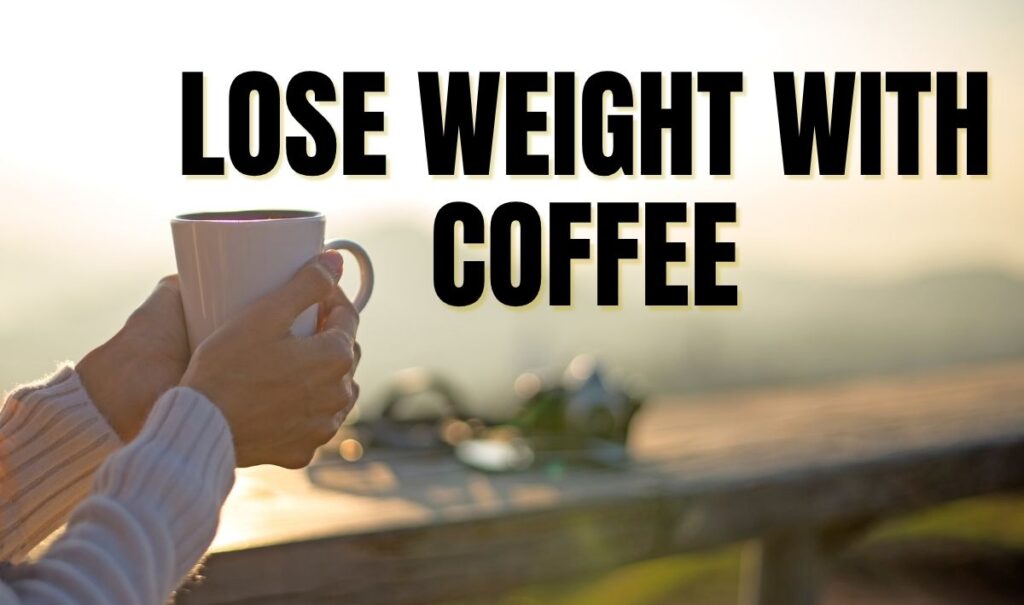
The good news is that you don’t have to give up coffee to lose weight. In fact, when enjoyed in the right way, coffee can fit comfortably into a healthy lifestyle. The key is understanding what goes into your cup, how caffeine affects your body, and how your coffee habits fit into your overall nutrition and fitness routine.
Let’s take a closer look.
☕ Can coffee help you lose weight?
Coffee contains caffeine, a natural stimulant that can temporarily increase alertness and slightly increase energy expenditure. It may also help some people feel more energised before exercise.
However, coffee is not a magic weight-loss solution.
Although caffeine can have a small effect on metabolism and fat oxidation, these effects are generally modest. Drinking coffee alone is unlikely to lead to significant, lasting weight loss.
The biggest factor in weight loss is still your overall energy balance, consuming an appropriate amount of energy for your needs while maintaining a nutritious diet and regular physical activity.
This means focusing on the bigger picture: strength training, regular movement, adequate protein, quality sleep and sustainable eating habits.
Coffee can be part of that picture, but it cannot replace the fundamentals.
☕ What you add to your coffee matters
One of the easiest ways coffee can affect your weight-loss efforts is through the extras.
Black coffee contains very few calories. However, milk, sugar, flavoured syrups, cream and other additions can increase the energy content of your drink.
Consider some common coffee choices:
- Long black or espresso: Generally very low in calories when served without additions.
- Flat white: Contains milk, which provides protein and calcium but also adds energy.
- Cappuccino: Similar to a flat white in that its nutritional value depends largely on the milk and serving size.
- Coffee with sugar or flavoured syrup: Adds extra energy that can accumulate if you drink several cups a day.
- Large iced or blended coffee drinks: May contain considerable amounts of sugar and energy, depending on the ingredients.
You don’t need to switch to black coffee if you don’t enjoy it. Instead, consider your portion sizes, milk choices and how often you choose sweetened drinks.
For example, if you drink three large, sweetened coffees each day, making a few simple adjustments could reduce your overall energy intake without requiring major changes to your meals.
Practical tip: Try reducing added sugar gradually, choosing a smaller size, or enjoying a regular flat white without flavoured syrup. Small changes that you can maintain are often more useful than extreme restrictions.
☕ Does coffee affect your workout?
If you enjoy exercising in the morning, coffee may offer a useful boost.
Caffeine can improve alertness and may enhance exercise performance, particularly during endurance activities and some higher-intensity workouts. Some people also find that it helps them feel more motivated to get moving.
For gym members over 40, this can be helpful when combined with a consistent training routine that includes resistance training, cardiovascular exercise and everyday movement.
However, more caffeine does not automatically mean a better workout or greater fat loss.
Too much may cause jitters, a racing heartbeat, anxiety or digestive discomfort. It can also affect sleep, particularly when consumed later in the day.
Try this: If you tolerate caffeine well, enjoy your coffee before a morning workout and see how you feel. You don’t need a strong coffee before every session, and you certainly don’t need caffeine to get results.
Remember to drink water throughout the day, especially when exercising or training in hot weather.
☕ Why do coffee and sleep matter more after 40?
One factor that is often overlooked in weight loss is sleep.
As life gets busier in your 40s, 50s and beyond, balancing work, family, exercise and recovery can become challenging. Poor sleep can make it harder to manage hunger, food choices, energy levels and training consistency.
Caffeine can remain in your system for several hours after you drink it. For some people, an afternoon coffee can make falling asleep more difficult, even if they don’t feel particularly stimulated.
Poor sleep may then leave you feeling tired the following day, making it harder to exercise or stick to your nutrition goals.
To help protect your sleep:
- Enjoy most of your caffeinated coffee earlier in the day.
- Consider switching to decaf in the afternoon.
- Pay attention to how caffeine affects your individual sleep patterns.
- Aim for a consistent bedtime and a regular sleep routine.
There is no single cut-off time that works for everyone. If sleep is a struggle, experiment with stopping caffeine earlier and see whether you notice a difference.
Better sleep supports better recovery, and better recovery helps you stay consistent with your training.
☕ Should you drink coffee before or after training?
The best timing depends on your schedule, your tolerance and the type of workout you’re doing.
Before training: A coffee may help you feel more alert and ready to exercise. If you train early in the morning, it can be a convenient part of your routine.
After training: Coffee is fine if you enjoy it, but remember that recovery depends on more than caffeine. Your body needs adequate protein, carbohydrates where appropriate, fluids and overall nutrition to support muscle repair and replenish energy.
On rest days: You can still enjoy coffee. You don’t need to earn your coffee through exercise or avoid it simply because you’re not training.
For people over 40, maintaining muscle mass becomes increasingly important for strength, mobility and long-term health. Prioritise a balanced diet with adequate protein and regular resistance training rather than relying on coffee to improve body composition.
☕ Does coffee suppress an appetite?
Some people notice that coffee temporarily reduces their appetite. Caffeine may influence hunger sensations in the short term, but the effect varies between individuals and is not a reliable weight-loss strategy.
Using coffee to skip meals can backfire, particularly if it leaves you excessively hungry later in the day or makes it harder to meet your nutritional needs.
This is especially important for active adults over 40, who need enough nutrients to maintain muscle, support recovery and stay healthy. Instead of replacing breakfast with coffee, consider a balanced meal such as:
- Greek yoghurt with berries and oats.
- Eggs on wholegrain toast.
- A protein-rich smoothie with fruit.
- Overnight oats with milk, yoghurt and nuts.
These options provide nutrients that coffee alone cannot supply.
If you aren’t hungry first thing in the morning, you don’t necessarily need to force a large meal. Focus on meeting your nutritional needs consistently across the day and finding an eating pattern that works for you.
☕ How much coffee is too much?
For most healthy adults, moderate coffee consumption can fit into a balanced diet. However, caffeine tolerance differs considerably, and your total intake includes tea, energy drinks, pre-workout supplements and other sources.
As a general reference, the European Food Safety Authority considers up to 400 mg of caffeine per day generally safe for healthy, non-pregnant adults. This is not a target to aim for, and lower amounts may be more appropriate for some people.
Caffeine content varies depending on the coffee beans, preparation method and serving size, so several strong coffees can add up quickly.
Consider reducing your intake if you experience:
- Difficulty falling asleep or staying asleep.
- Anxiety, restlessness or jitters.
- Palpitations or an uncomfortable racing heartbeat.
- Digestive discomfort.
- A growing dependence on coffee to feel alert throughout the day.
If you have a medical condition, take medications that may interact with caffeine, or have been advised to limit it, speak with your healthcare professional about what is appropriate for you.
A simple coffee strategy for weight loss?
You don’t need a complicated diet plan to make your coffee habits work for you. Start with these practical steps:
Step 1: Review your usual order. Notice the size, milk, sugar and extras in your daily coffee.
Step 2: Make one manageable change. Reduce added sugar, choose a smaller serving or replace one high-energy coffee drink with a simpler option.
Step 3: Use caffeine strategically. If it helps your morning workout and doesn’t disrupt your sleep, keep it in your routine.
Step 4: Eat to support your training. Prioritise protein-rich foods, vegetables, fruit, wholegrains and other nutrient-dense foods.
Step 5: Build consistency. Combine sensible nutrition with strength training, cardiovascular activity, daily movement and adequate recovery.
Step 6: Track your overall progress. Look beyond the scales. Improvements in strength, waist measurements, energy and fitness can also be valuable signs of progress.
You can still enjoy your favourite coffee while working towards your goals. The aim is to make your everyday habits support your lifestyle, not to remove everything you enjoy. Coffee doesn’t have to be the enemy.
Caffeine may provide a modest boost to alertness and exercise performance, but its direct effect on weight loss is limited. The ingredients in your coffee, your overall diet, sleep quality and consistency with exercise are much more important to your long-term results.
Keep enjoying your daily brew if it suits you. Be mindful of added sugars and high-energy extras, avoid letting caffeine interfere with your sleep, and focus on building healthy habits you can maintain.
Remember, successful weight loss isn’t about finding one miracle food or drink. It’s about putting the right pieces together, one day at a time.
Your next step: At your next gym session, take a moment to review your coffee routine alongside your nutrition and training goals. A few small, sustainable adjustments could be a useful starting point.
At CoreFit Newcastle, we believe fitness is about building strength, confidence and healthy sustainable habits for life. If you’re ready to take the next step, speak with our team about how your training and nutrition habits can work together to support your goals.
So book a FREE consultation with one of our expert coaches to help you reach your goal.
Share